Saturn reaches opposition on October 4, giving skywatchers one of the best opportunities of the year to observe the ringed planet, according to NASA.
Opposition occurs when Earth passes between the Sun and an outer planet. From Earth, Saturn therefore appears opposite the Sun in the sky, rising around sunset and remaining visible for much of the night.
NASA’s October skywatching guide says Saturn will be a prominent evening target. A small telescope can reveal the planet’s rings, while binoculars or the unaided eye can help observers locate the bright planet against the surrounding stars.
Other October sky events
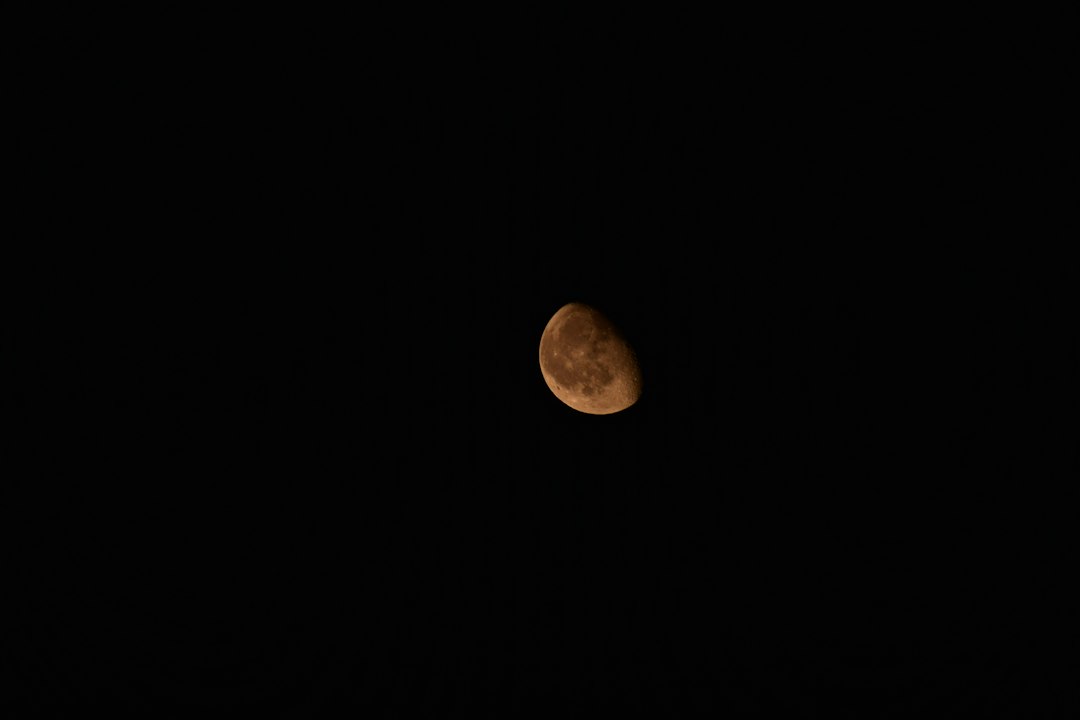
NASA also highlights a thin crescent Moon near Jupiter before sunrise on October 6 and the Orionid meteor shower, which peaks on the night of October 21 into the morning of October 22. Moonlight may reduce visibility of fainter meteors during this year’s peak.
Later in the month, on October 27–28, the Moon will pass close to the Pleiades star cluster. Viewing conditions for all of these events depend on local weather, light pollution and horizon visibility.